
Betting vs Trading: Understanding the key differences

To many people, betting and trading appear to be the same thing.
Both involve sports markets, odds and predicting how events will unfold. However, while they share similarities, they are fundamentally different approaches.
Understanding that difference can help bettors choose the strategy that best suits their goals and explain why many experienced market participants think more like traders than traditional gamblers.
What is sports betting?
Traditional sports betting is straightforward.
You place a wager on an outcome before or during an event and your return depends on whether your prediction is correct.
For example, you might back a football team to win, a rugby match to finish over a certain number of points or a Formula 1 driver to claim victory.
Once the bet is placed, there is usually little to do other than watch the event unfold.
The focus is simple: identify value and predict the correct outcome.
READ MORE: Matched Betting explained: How bettors use bookmakers and exchanges to reduce risk
What is sports trading?
Sports trading takes a different approach.
Instead of aiming to hold a position until the event finishes, traders look to profit from changes in the market itself.
As odds move before or during an event, traders may open and close positions to lock in a profit or reduce potential losses without necessarily needing their original prediction to play out.
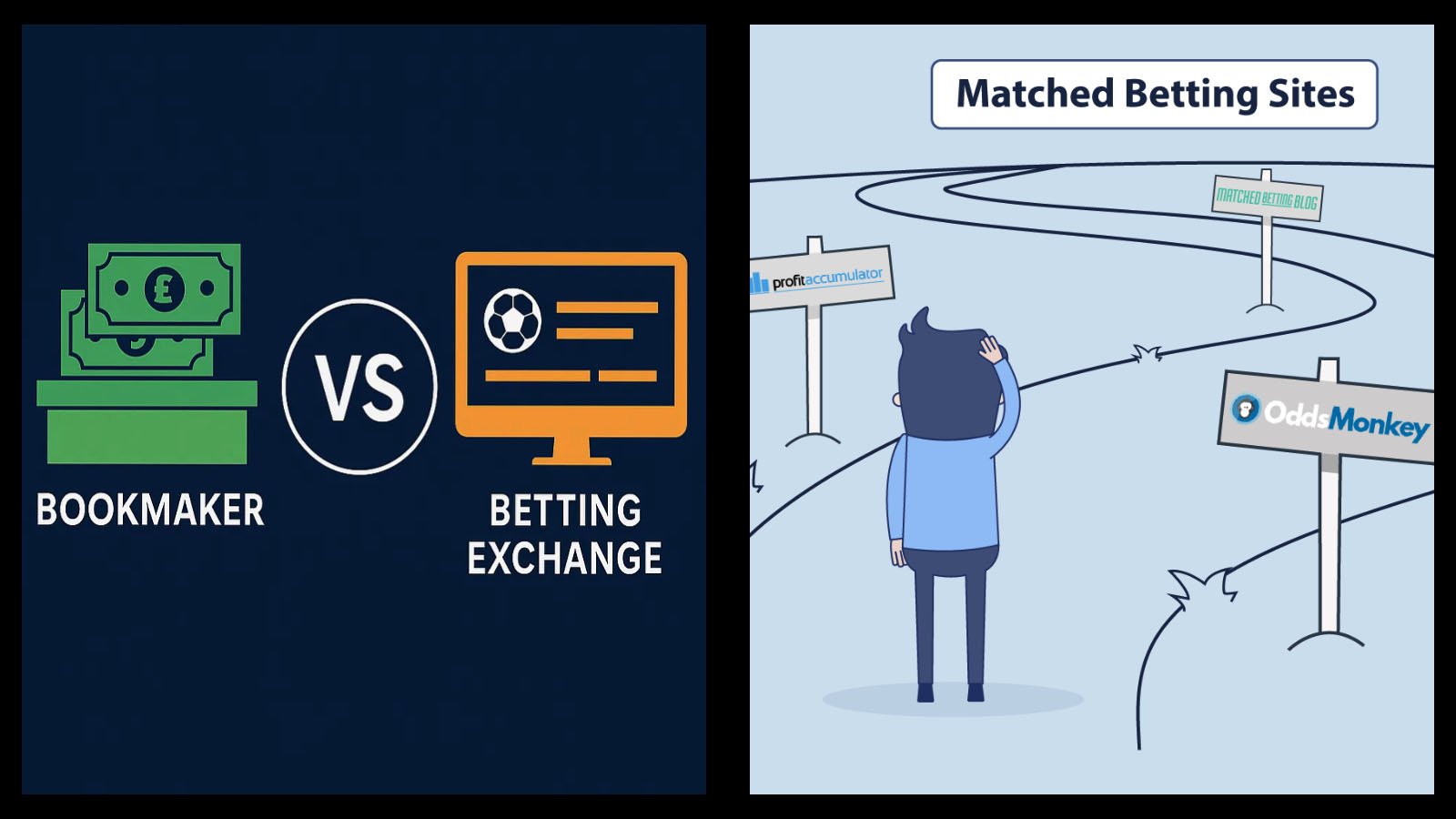
This is most commonly done on betting exchanges, where users can both back and lay selections rather than only betting against the bookmaker.
The objective becomes managing price movements rather than simply predicting winners.
Different mindsets
The biggest difference between betting and trading is psychological.
Successful bettors ask:
"Have I found value at these odds?"
Successful traders ask:
"How can I manage this position as the market changes?"
A trader is often willing to exit a position early if circumstances change, while a bettor is generally committed to the original wager until settlement.
Neither approach is inherently better - they simply require different skills.
YOU MAY ALSO LIKE: Bankroll management: The skill every successful sports bettor must master

Risk management matters in both
Whether betting or trading, discipline remains essential.
Bankroll management, careful research and avoiding emotional decisions are just as important for traders as they are for bettors.
The difference is that traders usually have more flexibility to react as markets evolve, while bettors often rely on the long-term profitability of consistently taking value prices.
Which approach is right for you?
Sports betting is often the simpler entry point, making it suitable for newcomers who want to develop an understanding of odds, value and bankroll management.
Trading, on the other hand, requires greater market awareness, faster decision-making and a willingness to actively manage positions throughout an event.
Many experienced market participants combine both approaches, betting when they identify long-term value and trading when market conditions create opportunities.
Final takeaways
Betting and trading share the same marketplace, but they reward different skills.
Betting focuses on predicting outcomes and consistently finding value before placing a wager.
Trading focuses on reading market movements, managing positions and adapting as new information changes prices.
Whichever path you choose, success is built on preparation, discipline and making informed decisions, not simply hoping for the right result.
Understanding the distinction is the first step towards viewing sports markets with a more strategic mindset.
READ NEXT: The psychology of sports betting: How to stay disciplined during winning and losing streaks