UFC Oklahoma analysis: Can Kamaru Usman’s wrestling overcome the power of Dricus du Plessis?
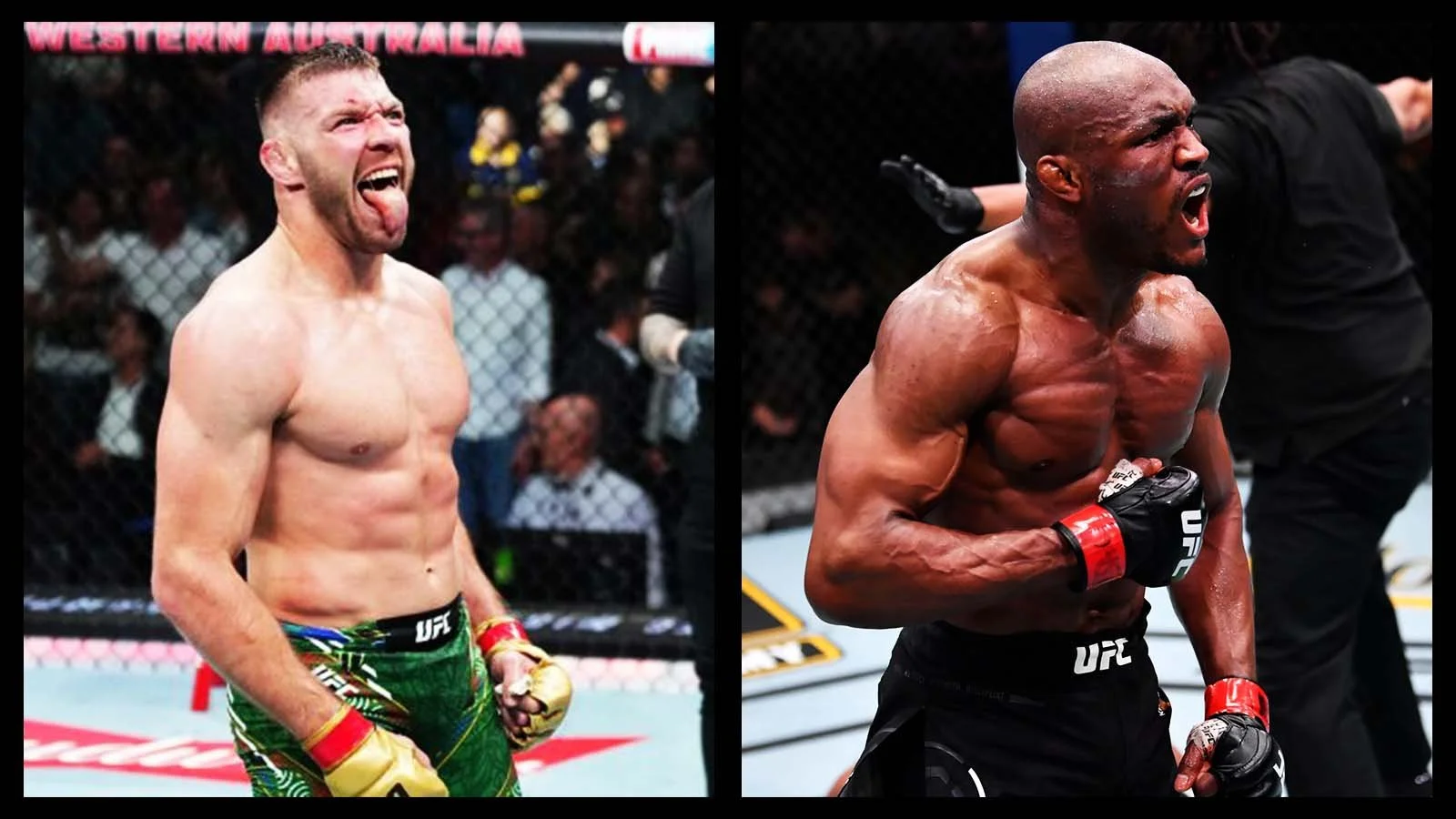
Dricus du Plessis returns to the Octagon on July 18 at UFC Oklahoma, knowing a victory over former welterweight champion Kamaru Usman could quickly put him back in the middleweight title conversation.
For Usman, the stakes are arguably even higher.
The former pound-for-pound king has one final opportunity to prove he can compete with the elite after years of injuries, inactivity and setbacks.
A statement victory over Du Plessis would immediately reignite his championship ambitions, whether at middleweight or potentially back at welterweight.
On paper, it's one of the most fascinating stylistic match-ups of the year.
A crossroads for both men
Du Plessis enters UFC Oklahoma looking to bounce back after losing the middleweight title to Khamzat Chimaev in his previous outing.
Before that defeat, the South African had established himself as one of the division's leading forces with victories over Sean Strickland and Israel Adesanya.
Usman, meanwhile, arrives from a very different position.
After consecutive defeats to Leon Edwards and a loss to Chimaev, the Nigerian-American steadied his career by defeating Joaquin Buckley.
However, at 39 years old and following a lengthy period affected by knee problems and inactivity, questions remain over whether he can still perform at a championship level over five rounds.
READ MORE: UFC news: Ian Machado Garry signs with Eddie Hearn ahead of Islam Makhachev title bout
The wrestling question
The obvious storyline centres around wrestling.
Usman built one of the greatest welterweight title reigns in UFC history through relentless pressure, clinch work and elite chain wrestling before developing into a far more accomplished striker under Trevor Wittman.
Du Plessis, however, has already shown both strengths and vulnerabilities against elite grapplers.
His defeat to Chimaev highlighted difficulties defending sustained wrestling pressure early in fights.
The South African spent prolonged periods reacting rather than dictating, allowing Chimaev to establish control before eventually pulling away.
Yet that performance should not be viewed in isolation.
Chimaev's wrestling is arguably unique within the UFC. His explosiveness, pace and ability to transition between takedown attempts make him one of the most suffocating grapplers in mixed martial arts.
Usman remains an outstanding wrestler, but he presents a different challenge.
Lessons from Strickland
One of the most valuable blueprints may actually come from Sean Strickland.
Against Chimaev, Strickland survived the early wrestling exchanges and gradually forced the contest into prolonged striking sequences.
Once the takedown threat became less effective, the fight became far more competitive.
Du Plessis does not need to fight exactly like Strickland.
But he can learn from the principle.
If he can deny Usman's early wrestling success and consistently force the former champion to strike at range, the momentum of the contest begins to shift.
Will Usman wrestle enough?
This may ultimately decide the fight.
Although Usman's wrestling remains elite, recent performances have suggested he has become increasingly comfortable standing and trading.
Against Buckley, he secured an important victory, but there were periods where his striking lacked its former sharpness and fluidity.
That raises an intriguing tactical question.
Will Usman commit to a wrestling-heavy approach that maximises his greatest strength?
Or will he attempt to prove he belongs at middleweight by engaging Du Plessis on the feet?
If it becomes primarily a striking contest, the advantage appears to swing towards the South African.
Du Plessis is not a textbook striker, but his awkward rhythm, physicality and relentless pressure have consistently broken down elite opposition.
He carries genuine power and has an ability to overwhelm opponents through volume and constant forward movement rather than relying on a single knockout blow.
Why Du Plessis remains favourite
The betting markets have installed Du Plessis as a significant favourite, opening around -350, while Usman sits as a +285 underdog.
The reasoning is understandable.
Du Plessis is the naturally larger middleweight, enters the contest in his physical prime and has already proven himself against the division's elite.
Usman, meanwhile, must answer questions surrounding age, durability, inactivity and whether his wrestling can consistently neutralise a younger, stronger opponent over 25 minutes.
Early prediction
This feels like a competitive fight for the opening two rounds.
Usman's wrestling should create problems early and may even allow him to bank periods of control.
However, as the fight progresses, Du Plessis' pace, size and pressure are likely to become increasingly influential.
If Usman cannot consistently impose his wrestling, he risks finding himself drawn into extended striking exchanges that favour the former middleweight champion.
Prediction: Dricus du Plessis via third-round TKO.
A decision would not be surprising, but Du Plessis' pressure and finishing ability make a late stoppage feel the more likely outcome.
Should the South African return to winning ways, he would immediately re-establish himself among the leading contenders at 185 pounds.
For Usman, however, victory could represent one final championship run and another remarkable chapter in one of the UFC's most accomplished careers.
READ NEXT: UFC news: Dustin Poirier says 'alcohol isn't the answer' after arrest