
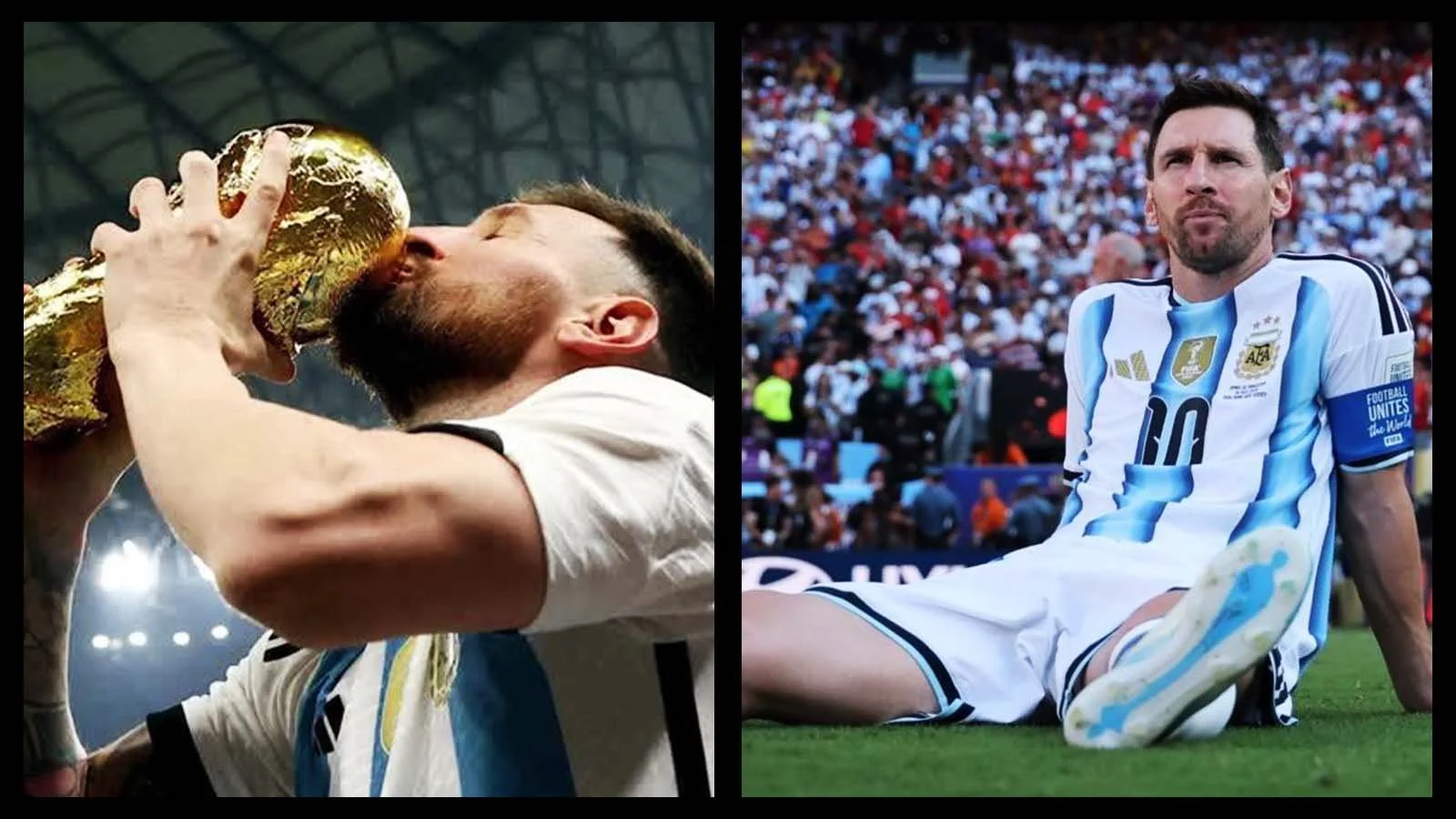
Lionel Messi’s international career did not end with another trophy.
Instead, the Argentina great walked away after more than two decades, six World Cups and three appearances in the tournament final, leaving behind a legacy that extends far beyond the records and medals.
Messi officially retired from international football on August 31 at the age of 39, bringing an extraordinary relationship with the Argentina shirt to an end.
His final numbers are staggering: 207 appearances and 125 goals, making him both his country’s most-capped player and leading goalscorer.
Yet Messi’s impact on Argentina cannot be measured solely by those statistics.
His international career became one of the most compelling stories in football, moving from years of frustration and accusations that he could not replicate his club success for his country to a period of unprecedented glory.
From Argentina’s great hope to its greatest source of frustration
Messi arrived on the international stage carrying enormous expectations.
He had already established himself as a generational talent at club level, but Argentina supporters wanted him to reproduce that dominance in the famous blue and white shirt.
For years, that relationship was complicated.
Argentina reached the 2014 World Cup final, only to lose to Germany in extra time, before consecutive Copa América final defeats to Chile followed in 2015 and 2016.
The latter proved particularly painful for Messi, who missed his penalty in the shoot-out before announcing his international retirement.
It was a remarkable low point for a player who had already achieved almost everything possible elsewhere.
The criticism was relentless, but Messi returned. And that decision ultimately changed the course of Argentine football.
Messi and the transformation of Argentina
The turning point came with Lionel Scaloni's Argentina.
Rather than building a team that simply expected Messi to solve every problem, Argentina gradually developed into a collective capable of supporting its captain.
The intensity, structure and togetherness of the side allowed Messi to play with greater freedom, while the emergence of players such as Ángel Di María, Rodrigo De Paul, Enzo Fernández and Julián Álvarez gave the team greater balance.
The rewards arrived quickly.
Argentina ended a 28-year wait for a major senior trophy by beating Brazil in the 2021 Copa América final, with Messi finally winning his first major title with the national team.
The Finalissima followed in 2022 before the defining moment of Messi's international career arrived later that year.
READ MORE: World Cup 2026 news: Lionel Messi inspires Argentina's dramatic comeback over Egypt

The World Cup that completed Messi’s story
Qatar 2022 transformed Messi's legacy.
He scored seven goals during the tournament, including twice in the final against France, and eventually lifted the World Cup after one of the most dramatic finals in the competition's history.
It was more than another trophy. It was the piece of silverware that had been used for years to question whether Messi could truly stand alongside Argentina's greatest footballing icons.
He finally had it.
Messi also became the first player to win the World Cup's Golden Ball twice, having previously received the award in 2014, while his 26 World Cup appearances established a new tournament record at the time.
YOU MAY ALSO LIKE: FIFA World Cup news: Lionel Messi historic hat-trick powers Argentina past Algeria
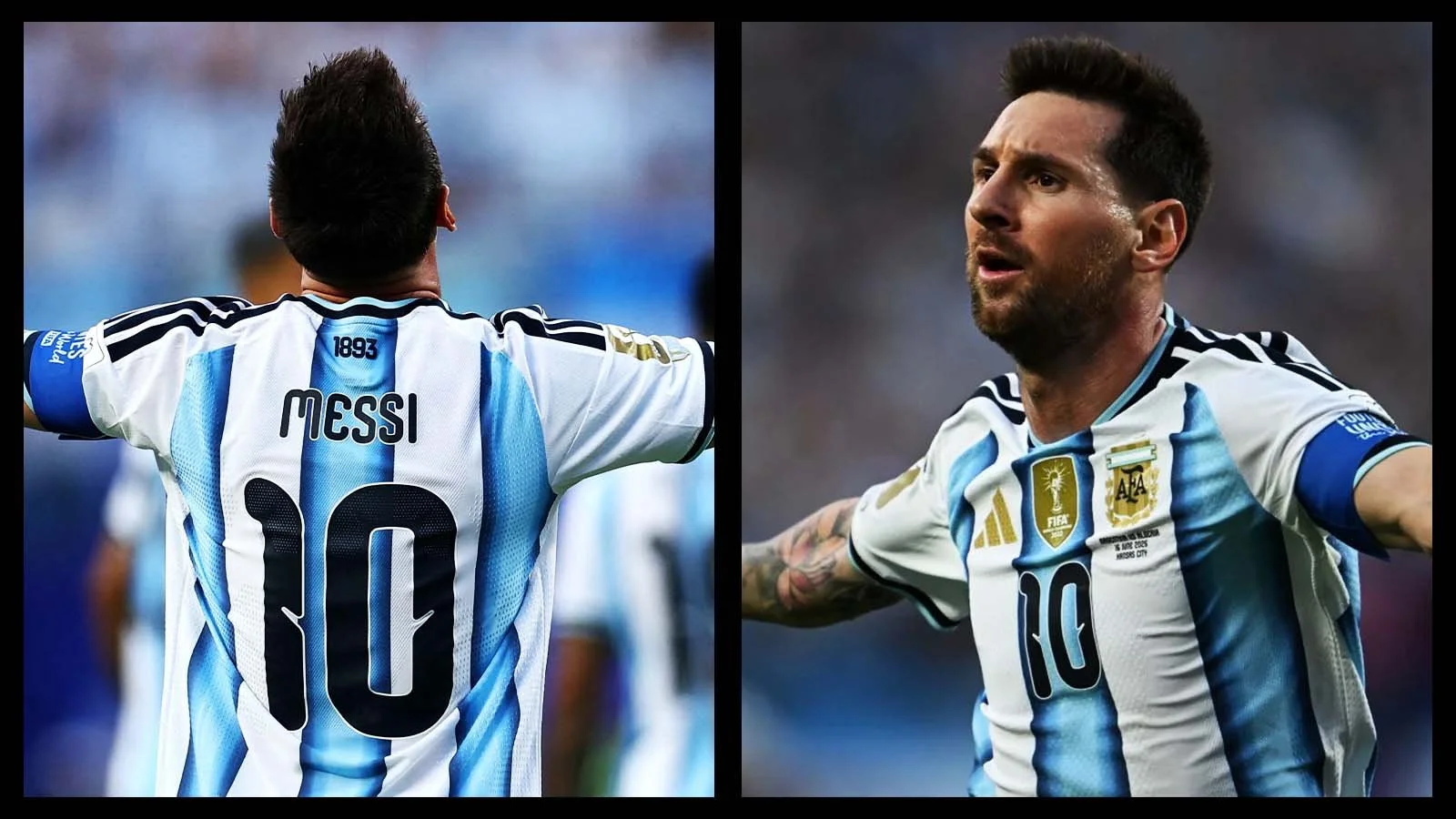
The legacy continued beyond Qatar
Winning the World Cup could easily have been the perfect ending, but Messi continued.
Argentina retained the Copa América in 2024, even after Messi was forced off injured during the final against Colombia.
That moment was significant in its own way: Argentina no longer needed Messi to finish every job himself. His team-mates carried the team over the line.
Then came one final World Cup campaign.
At 39, Messi helped Argentina reach a second consecutive World Cup final in 2026, extending his record to 34 World Cup appearances and becoming only the second player after Cafu to appear in three World Cup finals.
Spain eventually denied Argentina a second successive world title with a 1-0 extra-time victory.
Messi's final tournament still added further milestones to an already extraordinary international career.
He scored eight times at the 2026 World Cup, while his overall World Cup tally reached 21 goals across six tournaments.
YOU MAY BE INTERESTED IN: World Cup 2026 news: Lionel Messi breaks scoring record as Argentina beat Austria
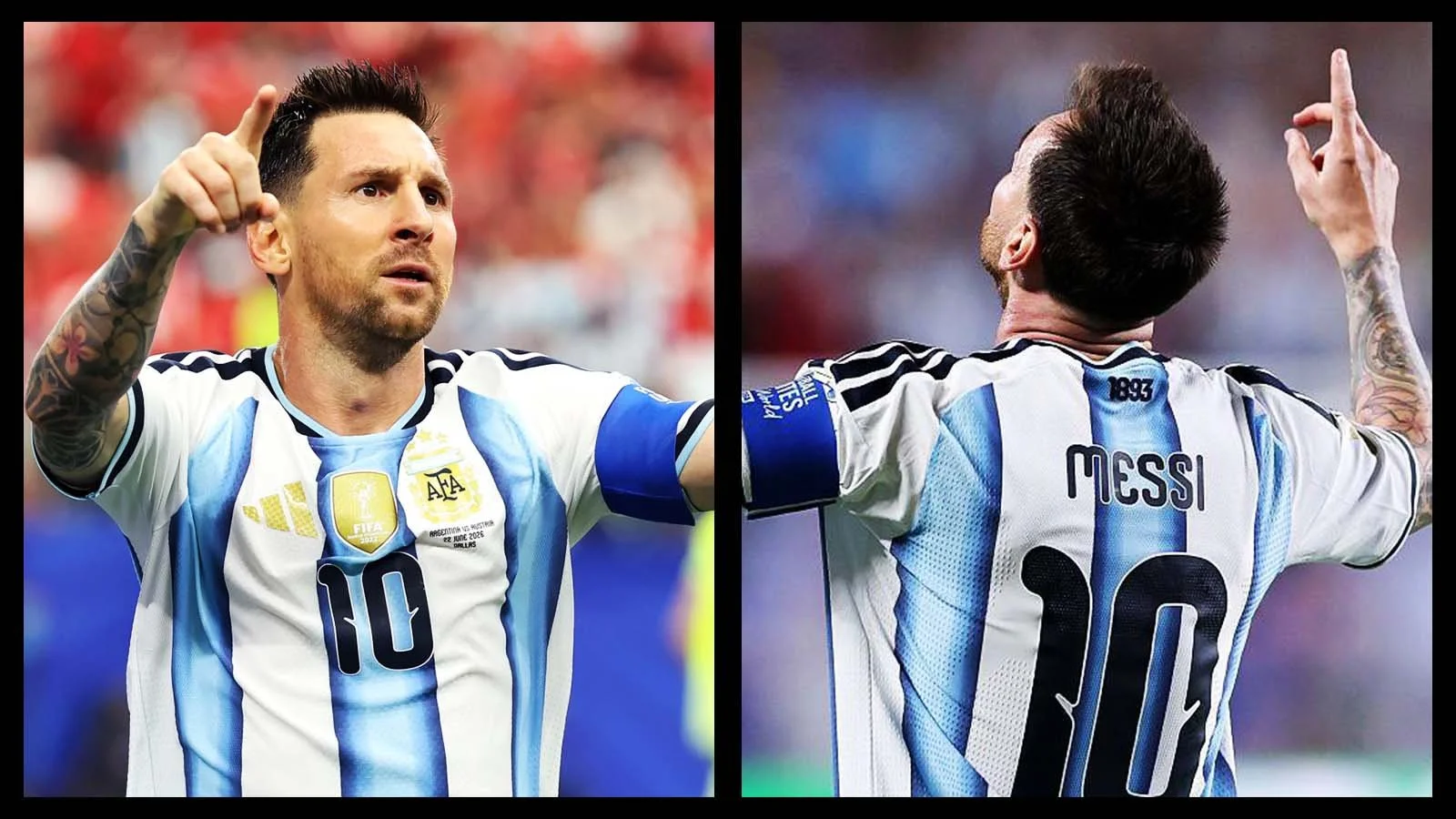
What Messi leaves behind for Argentina
Perhaps Messi's greatest contribution was not simply winning trophies. It was changing what Argentina believed was possible with him.
The early years were defined by the expectation that Messi had to carry the nation.
The later years demonstrated something very different: Argentina became a team capable of carrying Messi when necessary, while still benefiting from his extraordinary ability to decide matches.
That distinction matters.
Messi leaves Argentina as its record goalscorer, record appearance maker, World Cup winner, two-time Copa América champion and Finalissima winner.
More importantly, he leaves having completed the journey from the teenager burdened by impossible expectations to the captain who finally delivered the trophies his country had demanded.
His retirement closes one of international football's greatest chapters.
The next generation will inherit Argentina's No 10 shirt. But they will also inherit the standard Messi established - and a national team that learned how to win with him at its centre.